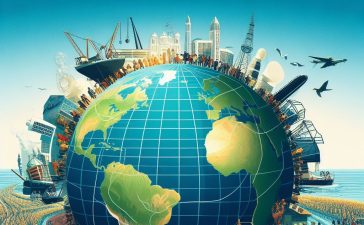
The relationship between society and industry has always been dynamic, evolving with each wave of innovation. From the Industrial Revolution to the digital age, industries have shaped the structure, values, and daily life of societies worldwide. Today, we find ourselves in the midst of another major transformation: a technological, environmental, and cultural shift redefining how we work, consume, and interact. Society’s expectations are changing, and industries are being challenged to adapt sustainably, ethically, and inclusively.
Industry as a Driving Force of Social Development
Industrial progress has historically improved living standards by creating jobs, stimulating urban development, and contributing to national economic growth. Factories and production centers turned small towns into bustling industrial hubs in the 19th and 20th centuries. Modern industries—telecommunications, pharmaceuticals, renewable energy, and information technology—continue this trajectory on a global scale.
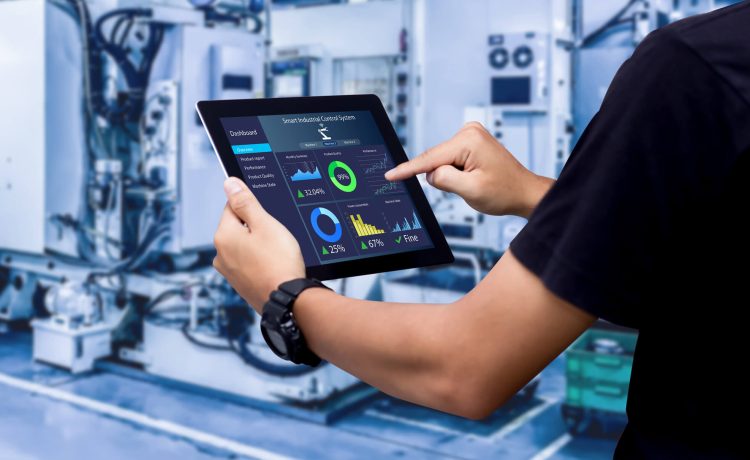
The rise of digital innovation has not only accelerated economic opportunities but also enabled new social capabilities. Access to the internet has democratized information and given individuals a platform for education, connection, and expression. Automation and smart manufacturing have increased productivity, while e-commerce and logistics have reshaped consumer behavior.
The Workforce in Transition
However, industrial advancements often come with societal challenges. Automation and artificial intelligence are creating a major shift in the global labor market. While new digital jobs emerge, traditional roles in manufacturing and retail face decline. Workers are increasingly required to reskill to remain relevant in a rapidly transforming economy.
The gig economy illustrates this shift clearly. Platforms for freelance and independent work have opened new career paths, but they have also introduced new forms of insecurity—irregular income, lack of benefits, and limited job stability. Society is now demanding that industries and governments redefine labor rights to fit the modern workforce. Concepts like universal basic income, remote work policies, and lifelong learning programs are gaining traction as necessary elements of a future-proof economy.
Sustainability as a Social Priority
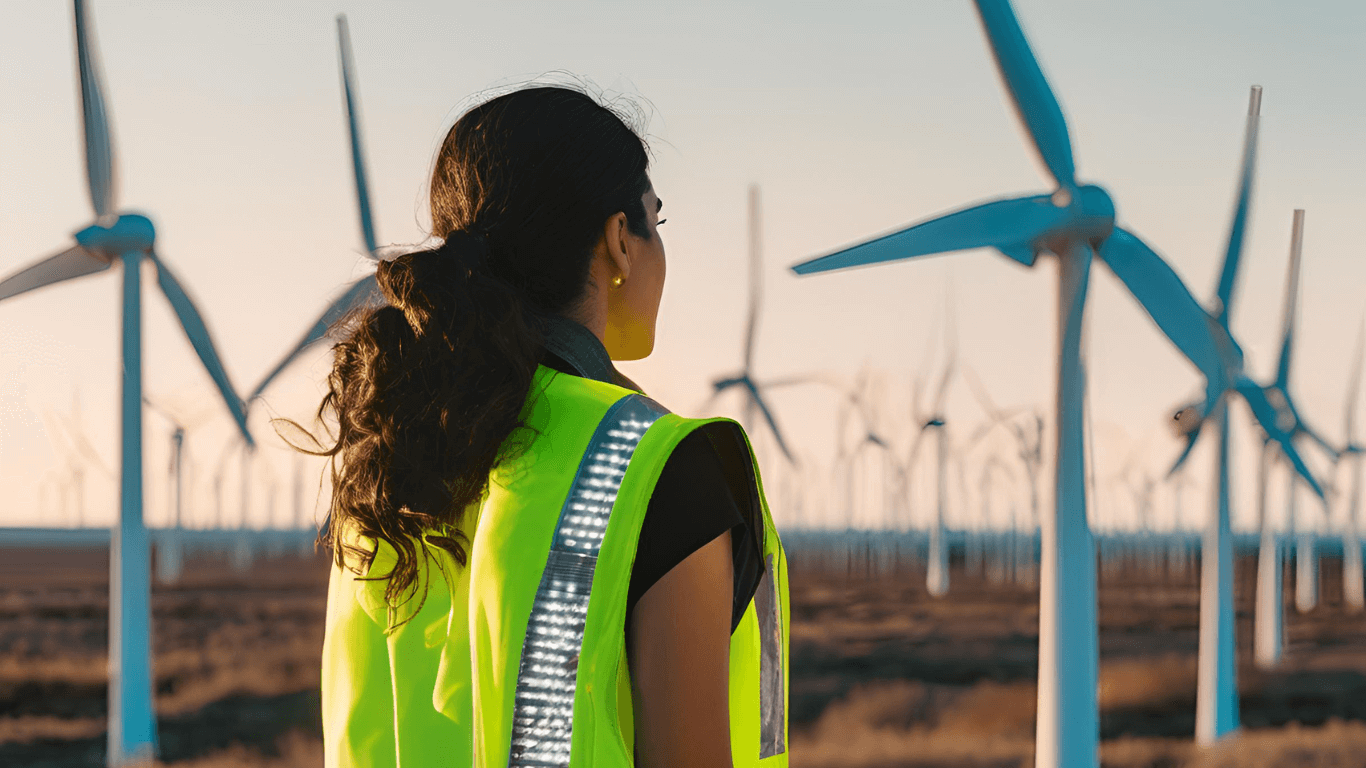
Environmental awareness has become a major force guiding industrial decisions. Climate change, resource shortages, and pollution are no longer viewed as external costs but as urgent threats that society expects industries to address.
Sustainability is shifting from a corporate buzzword to a requirement. Consumers want transparency in supply chains, ethical sourcing, recyclable materials, and net-zero carbon operations. Industries in sectors like automotive, fashion, and energy are undergoing massive structural overhauls:
-
Electric vehicles are replacing combustion engines.
-
Circular economy models are reducing waste.
-
Renewable energy investments are surpassing fossil fuel projects.
The concept of “green industry” is expanding as companies realize that environmental responsibility is not only a social expectation, but also a competitive advantage.
Technology’s Influence on Social Values
Digital transformation has not only reshaped industries—it has altered how society perceives privacy, security, and identity. Social media platforms have given rise to global communities but have also raised complex issues around mental health, misinformation, and data ethics.
Artificial intelligence presents both incredible benefits and profound ethical dilemmas. AI systems can assist medicine, predict environmental trends, and enhance education. Yet, concerns about bias, transparency, and job displacement highlight the need for regulatory frameworks and ethical standards.
A new societal question emerges: How do we adopt innovation responsibly? The answer lies in collaboration between policymakers, industry leaders, and citizens to ensure that technology serves the public good.
Globalization vs. Localization
For decades, globalization expanded trade, opened markets, and connected industries across borders. Society benefited from a broader selection of products and lower prices. However, recent challenges—including supply chain disruptions, geopolitical conflicts, and public demands for domestic employment—have sparked a rise in localization strategies.
Nations and industries are rethinking dependencies on foreign production, especially in sectors like healthcare, semiconductors, and food. This shift is generating new investment in regional manufacturing and strengthening local economies.
Yet, the balance remains delicate. The future industrial landscape will require combining global cooperation with resilient localized systems to ensure stability while retaining economic diversity.
Equity, Diversity, and the Modern Industry
Societal expectations around fairness and representation have transformed workplace cultures. Diversity, equity, and inclusion (DEI) are no longer optional elements—they are fundamental to innovation and corporate reputation.
Industries are increasingly evaluated not only by their economic contributions but by how they respect human rights, support inclusive employment, and ensure equal opportunities across gender, ethnicity, age, and ability. A socially responsible industry thrives when its workforce reflects the diversity of the communities it serves.
The Path Ahead: Industry with a Human Focus
Looking to the future, the most successful industries will be those that can integrate financial growth with social well-being. The priorities shaping this shift include:
-
Human-centered work environments, balancing automation with empathy
-
Continuous education and skill development, supporting adaptable careers
-
Ethical technology standards, protecting privacy and fairness
-
Community engagement, ensuring that industry benefits are shared equitably
-
Sustainable development, preserving resources for future generations
The central theme of tomorrow’s industry is responsibility. Profit alone is no longer enough—organizations are expected to contribute positively to the world around them.
Conclusion
Society and industry are deeply interconnected, each influencing the other’s direction and evolution. The challenges we face today—from climate pressures to digital disruption—are opportunities to reimagine how industries operate and how individuals thrive. A future built on innovation, sustainability, and inclusivity can lead to a balanced and resilient society where progress is not just measured by economic output, but by collective well-being.
By forging a new partnership between industry and society—one grounded in respect, ethics, and shared growth—we can ensure that transformation becomes a force for good, creating a world where technological advancement and human values move forward together.